

Best Luxury Tableware Brands for Premium Hotels & Fine Dining
Posted by VANEET KOCHHAR

In India’s luxury hospitality ecosystem, dining is no longer just about food. It is about experience, perception, and precision. From five-star hotels in Delhi and Mumbai to destination wedding venues in Rajasthan and fine-dining restaurants in Bengaluru, every detail on the table communicates a brand’s standard before a single dish is tasted.
One of the most underestimated yet decisive elements of this experience is tableware.
The weight of a plate, the tone of porcelain, the balance of a cup, and the way cutlery rests on linen all play a silent but powerful role in shaping guest perception. This is why India’s top hotels and fine-dining restaurants treat luxury tableware not as décor, but as a strategic hospitality investment.
This guide is written for hotel owners, executive chefs, procurement heads, restaurant founders, and hospitality consultants across India who want clarity, not marketing noise. It goes beyond generic brand lists and ecommerce recommendations and focuses on what actually works in Indian luxury hospitality operations.
Why Luxury Tableware Matters in India’s Premium Hospitality Market
India’s luxury dining audience has evolved rapidly. Today’s guests are globally exposed, well-travelled, and extremely observant. A diner who has experienced fine dining in Paris, Dubai, Singapore, or Tokyo immediately notices inconsistencies in plating, presentation, and table setup.
In Indian five-star hotels and luxury restaurants, tableware directly influences:
- First impressions during seating
- Perceived food quality and portion control
- Chef’s ability to present cuisine creatively
- Brand positioning and repeat guest memory
A beautifully plated dish can lose its impact if served on the wrong plate. Conversely, even a simple preparation can look refined when presented on thoughtfully selected porcelain or bone china.
This is why professional hospitality tableware is fundamentally different from premium home crockery.
What Defines True Luxury Tableware for Hotels and Fine Dining in India
Not every expensive dinner set qualifies as luxury tableware in a professional setting. Indian hotels and fine-dining restaurants operate under unique conditions that demand much more than visual appeal.
Material Standards That Meet Global Hospitality Expectations
Across India’s top hotel chains and Michelin-inspired restaurants, porcelain and bone china remain the most trusted materials.
Porcelain dinnerware is preferred for its strength, clean aesthetic, and plating flexibility. Bone china is valued for being lighter in weight while maintaining durability, which is crucial for high-volume service environments such as banquets and all-day dining restaurants.
Limoges porcelain, produced in France, is considered a global benchmark and is often found in signature restaurants within luxury hotels in Delhi, Mumbai, and Udaipur.
Materials like stoneware or stainless steel may work well for casual or home settings, but they are rarely used in fine-dining environments where presentation, colour accuracy, and refinement matter.
Chef-Centric Design Over Decorative Appeal
Professional chefs in India choose plates the way artists choose canvases. The design of the plate should never overpower the food.
Luxury tableware used in fine dining typically features:
- Wide rims to allow negative space
- Neutral white or soft ivory tones to enhance food colours
- Matte or soft-gloss finishes that photograph well
- Consistent thickness and balanced weight
Overly decorative patterns, loud colours, or heavy embossing may appeal in retail showrooms but are usually rejected by chefs because they distract from the cuisine.
This is one of the biggest gaps in most competitor blogs, which focus heavily on visual trends but ignore real kitchen requirements.
Operational Durability for Indian Hotel Conditions
Hotels and luxury restaurants in India operate under intense conditions. Tableware must withstand:
- Commercial dishwashers
- High-temperature washing cycles
- Daily banquet service
- In-room dining logistics
- Frequent stacking and transport
Luxury hotel tableware must be chip-resistant, stackable, heat-stable, and available for long-term reorders. Consistency is critical. Hotels cannot afford shade variations or discontinued collections after two years.
This is where many retail-focused brands fail to meet hospitality expectations.
Luxury Tableware vs Premium Home Crockery in the Indian Context
A common mistake in India is assuming that premium home crockery can be used in hotels and fine-dining restaurants. In reality, the two serve very different purposes.
Home luxury tableware prioritises aesthetics and trends. Hotel-grade tableware prioritises performance, consistency, and longevity.
In professional hospitality settings, plates are used hundreds of times every month. They must maintain the same look after years of service. Replacement pieces must match exactly. These requirements are rarely addressed by consumer brands.
Best Luxury Tableware Brands Used by 5-Star Hotels & Fine Dining Restaurants in India
The brands below are selected based on real-world hospitality usage, chef preference, and long-term reliability in Indian hotel operations. This is not a sponsored list.

Bernardaud (France)
Bernardaud is one of the most respected names in Limoges porcelain and is widely used in fine-dining restaurants within luxury hotels across India.
Chefs value Bernardaud for its exceptional whiteness, precise rim geometry, and timeless elegance. The plates offer perfect balance for modern plating styles and tasting menus.
Bernardaud is especially suited for chef-driven restaurants where presentation plays a central role.

Narumi (Japan)
Narumi bone china is a dominant presence in five-star hotels across India, particularly in high-volume environments such as all-day dining restaurants and banquets.
Its lightweight nature reduces staff fatigue, while its durability makes it ideal for frequent service. Narumi’s consistency and availability make it a favourite among hotel procurement teams.
For Indian hotels that require reliability without compromising on refinement, Narumi is often the most practical choice.

Ginori 1735 (Italy)
Ginori 1735 blends Italian heritage with contemporary design. In India, it is commonly used in signature restaurants within luxury hotels and design-forward dining concepts.
The brand’s collections allow hotels to express a distinct personality while maintaining global luxury standards. Ginori is often chosen where interior design and tableware are meant to create a strong visual identity.

Royal Copenhagen (Denmark)
Royal Copenhagen represents classic European elegance and is often found in heritage hotels, luxury tea lounges, and formal dining spaces in India.
Its blue-and-white porcelain carries a strong sense of tradition and craftsmanship. While not suited for every concept, it works beautifully in settings that value timeless charm.

Haviland (France)
Haviland is another historic Limoges brand known for understated sophistication. It is often used in formal dining rooms, diplomatic settings, and luxury hospitality spaces that prefer restraint over experimentation.
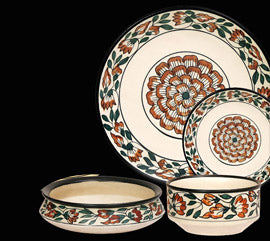
Meissen (Germany)
Meissen porcelain is considered ultra-luxury and is typically reserved for VIP dining rooms, presidential suites, or private dining experiences within India’s most exclusive hotels.
Its use is limited due to cost and delicacy, but when employed thoughtfully, it makes a powerful statement.
Choosing the Right Tableware for Different Hotel Dining Areas in India
Luxury hotels in India rarely use a single tableware collection across all outlets. Each dining area has different functional and aesthetic needs.
All-day dining restaurants require durable porcelain that can handle volume and frequent washing. Neutral designs are preferred to accommodate diverse cuisines.
Fine-dining restaurants demand wide-rim plates with minimal design to give chefs full creative freedom.
Banquets and event spaces need reinforced tableware that is easy to stack, replace, and maintain consistency across large guest counts.
In-room dining benefits from lightweight bone china that is easy to handle and resistant to chipping during transport.
Understanding these distinctions is crucial for correct tableware selection.
Common Tableware Mistakes Made by Indian Hotels and Restaurants
Many Indian hospitality businesses make costly mistakes when selecting tableware.
One of the most common errors is choosing retail crockery brands for professional use. These products often fail under commercial conditions.
Another mistake is prioritising design trends over functionality. Plates that look impressive initially may become impractical for chefs and service teams.
Inconsistent tableware across outlets weakens brand identity and confuses guests.
Finally, ignoring long-term replacement planning often results in mismatched plates within a few years.
These issues are rarely addressed in competitor blogs but are critical in real operations.
How Makrey Supports Luxury Hospitality Tableware Selection in India
Makrey approaches tableware not as a product category but as part of the hospitality experience.
Instead of pushing a single brand, Makrey works with multiple luxury tableware brands to recommend the right solution based on concept, cuisine, and operational needs.
Makrey understands Indian hotel operations, chef workflows, and procurement challenges. The focus is on long-term consistency, not short-term sales.
This approach allows hotels and fine-dining restaurants to make informed decisions that align with global standards while remaining practical for Indian conditions.
Professional Tableware Categories Supplied for Luxury Hospitality in India
In addition to working with global luxury tableware brands, Makrey supplies a complete professional tableware range used across five-star hotels, fine-dining restaurants, banquets, cafés, and catering operations in India. This includes augratin dishes for oven-to-table service, serving baskets and buffet baskets, biryani handis, cast iron pans and sizzlers, clay pots and traditional cookware, condiment and cutlery holders, creamers, cutlery, dessert cups, dip bowls and ramekins, finger bowls, fondue pots, fry baskets and cones, kullars, martabans, menu and bill folders, mugs, pasta bowls and plates, pizza platters, dinner and quarter plates, platters and boards, portion dishes, quirky serveware, salad bowls and platters, curd-setting bowls, show and charger plates, multi-purpose bowls, soup bowls and soup spoons, taco holders, tagines, tea and coffee cup saucers, tea and coffee pots, tent card holders, thalis, and tiffins—selected specifically for durability, presentation, and real hospitality use in Indian hotel environments.
Frequently Asked Questions
Which material is best for luxury hotels in India?
Porcelain and bone china are globally preferred for fine dining and five-star hospitality.
Why do chefs prefer white plates?
White plates enhance food colour, maintain consistency across cuisines, and allow creative plating.
Is stainless steel considered luxury tableware?
Stainless steel is functional but not typically used in fine-dining luxury environments.
How long does hotel-grade tableware last?
With proper handling, professional tableware can last 10 to 15 years or more.
Final Thoughts
Luxury tableware is not about trends or price tags. It is about standards, consistency, and respect for the dining experience.
Hotels and fine-dining restaurants in India that invest thoughtfully in tableware create stronger guest memories, empower chefs, and elevate their brand perception.
This is what separates average dining experiences from truly memorable ones.
Makrey exists to help hospitality professionals make these decisions with clarity, confidence, and long-term vision.